
Views: 220 Author: shenghuiadhesive Publish Time: 2025-11-03 Origin: Site


Content Menu
>> Importance of Feed Stability
● The Role of Binders in Aquatic Feed
>>> Natural Binders
● Factors Affecting Binder Performance
● Evaluating Binder Effectiveness
● Challenges and Future Directions
Aquaculture has become a vital part of the global food supply, providing a significant source of protein for millions of people. As the demand for aquaculture products increases, so does the need for high-quality feed that ensures the health and growth of aquatic animals. One critical component of this feed is binders, which play a significant role in maintaining the stability and integrity of aquatic feed pellets. This article explores the importance of binders in aquatic feed, their types, functions, and the impact they have on feed stability.
Aquatic feed refers to the food formulated specifically for fish, shrimp, and other aquatic organisms. It is designed to meet the nutritional requirements of these animals, providing essential proteins, fats, vitamins, and minerals necessary for their growth and health. The formulation of aquatic feed is complex, as it must consider the specific dietary needs of different species, their feeding habits, and the environmental conditions in which they are raised.
Feed stability is crucial in aquaculture for several reasons. First, stable feed pellets maintain their structure when submerged in water, allowing fish and shrimp to consume them without disintegration. This is particularly important for slow feeders, such as shrimp, which rely on intact pellets for nutrition. Second, stable feed reduces nutrient leaching into the water, minimizing waste and pollution. Lastly, stable feed enhances the overall efficiency of aquaculture operations by reducing feed wastage and improving growth rates.
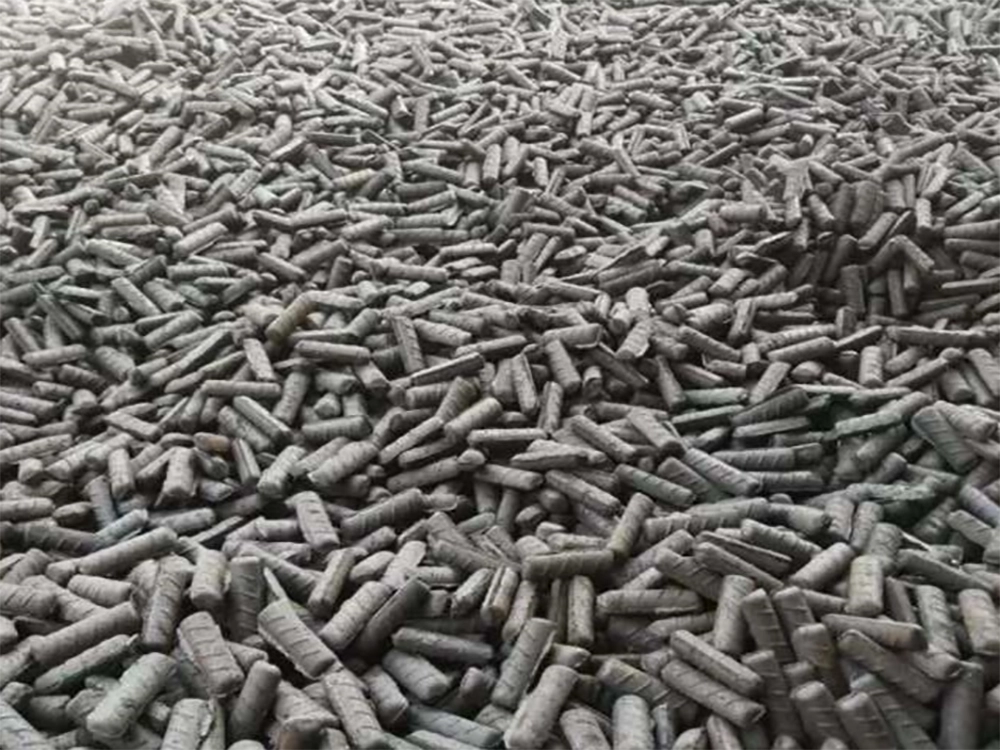
Binders are substances added to feed formulations to hold the feed ingredients together, ensuring that the pellets maintain their shape and integrity during handling, storage, and feeding. They are essential for preventing the disintegration of pellets in water, which can lead to nutrient loss and decreased feed efficiency.
Binders can be classified into two main categories: natural and synthetic binders.
Natural binders are derived from plant or animal sources and are often preferred for their nutritional benefits and lower environmental impact. Common natural binders include:
- Starches: Derived from grains like corn, wheat, and potatoes, starches provide binding properties and contribute to the nutritional value of the feed.
- Gums: Substances like guar gum and xanthan gum can enhance the texture and stability of feed pellets.
- Algal extracts: Ingredients like alginate from seaweed can improve water stability and provide additional nutrients.
Synthetic binders are chemically manufactured and are often used for their specific binding properties. They can provide superior stability and performance in certain conditions. Examples include:
- Polyvinyl alcohol (PVA): Known for its strong binding capabilities, PVA is often used in high-performance feed formulations.
- Synthetic resins: These can enhance the durability of pellets but may not offer nutritional benefits.
Binders serve several critical functions in aquatic feed:
1. Enhancing Pellet Durability: Binders improve the mechanical strength of pellets, reducing breakage during handling and transportation.
2. Improving Water Stability: By preventing disintegration in water, binders ensure that pellets remain intact long enough for aquatic animals to consume them.
3. Reducing Nutrient Leaching: Binders help retain nutrients within the pellets, minimizing waste and ensuring that aquatic animals receive the necessary nutrition.
4. Facilitating Feed Processing: Binders can improve the flowability of feed ingredients during manufacturing, making the pelleting process more efficient.
The type and quality of ingredients used in feed formulations can significantly impact the effectiveness of binders. For instance, the source of carbohydrates and the specific types of proteins can influence how well a binder performs in maintaining pellet stability.
The conditions under which feed is processed, such as temperature, pressure, and moisture content, also play a crucial role in the performance of binders. Properly optimizing these parameters can enhance the binding properties and overall quality of the feed.
The aquatic environment, including water temperature and salinity, can affect the performance of binders. For example, certain binders may perform better in freshwater compared to saltwater conditions, impacting their effectiveness in different aquaculture systems.
One of the primary methods for evaluating the effectiveness of binders in aquatic feed is through water stability tests. These tests measure how well pellets maintain their structure when submerged in water over a specified period. High water stability indicates that the binder is effectively preventing disintegration and nutrient loss.
Studies assessing nutrient retention in feed pellets can provide insights into the effectiveness of binders. By comparing the nutrient content of pellets before and after immersion in water, researchers can determine how well binders are performing in retaining essential nutrients.
Conducting growth performance trials with aquatic animals can help evaluate the overall effectiveness of feed formulations containing different binders. By measuring growth rates, feed conversion ratios, and overall health, researchers can assess the impact of binders on aquaculture productivity.
While binders are essential for improving feed stability, the cost of high-quality binders can be a significant factor for aquaculture producers. Balancing cost and performance is crucial for ensuring the economic viability of aquaculture operations.
The use of synthetic binders raises concerns about their environmental impact. As the aquaculture industry moves towards more sustainable practices, there is a growing interest in developing natural binders that can provide similar performance without adverse environmental effects.
Ongoing research is essential for understanding the complex interactions between binders, feed ingredients, and aquatic environments. Innovations in binder technology, including the development of new natural binders and improved synthetic options, will play a critical role in enhancing the stability and performance of aquatic feed.
Binders are a vital component of aquatic feed, playing a crucial role in maintaining pellet stability, reducing nutrient loss, and improving overall feed efficiency. As the aquaculture industry continues to grow, the importance of high-quality feed and effective binders will only increase. By understanding the functions and types of binders, as well as the factors affecting their performance, aquaculture producers can make informed decisions that enhance the sustainability and productivity of their operations.
1. What are the main functions of binders in aquatic feed?
Binders enhance pellet durability, improve water stability, reduce nutrient leaching, and facilitate feed processing.
2. What types of binders are commonly used in aquatic feed?
Common binders include natural options like starches and gums, as well as synthetic options like polyvinyl alcohol and synthetic resins.
3. How do binders affect the water stability of feed pellets?
Binders help maintain the structure of pellets when submerged in water, preventing disintegration and ensuring that nutrients remain available for aquatic animals.
4. What factors influence the performance of binders in aquatic feed?
Ingredient composition, manufacturing parameters, and environmental conditions all play a role in the effectiveness of binders.
5. What are the challenges associated with using binders in aquaculture?
Cost considerations and environmental impacts of synthetic binders are significant challenges, prompting a need for research into more sustainable options.
Hot Tags: China, Global, OEM, private label, manufacturers, factory, suppliers, manufacturing company