
Views: 220 Author: shenghuiadhesive Publish Time: 2025-10-31 Origin: Site


Content Menu
● Understanding Animal Feed Pellets
>> What Are Animal Feed Pellets?
>> Importance of Nutrient Retention
● The Role of Binders in Animal Feed Pellets
● Types of Binders Used in Animal Feed
● Benefits of Using Binders in Animal Feed Pellets
>> Improved Nutrient Retention
● Challenges and Considerations
>> Selection of Appropriate Binders
● Future Trends in Binder Research
>> Innovations in Binder Technology
>> Integration of Nutritional Enhancers
Animal feed is a crucial component in livestock production, influencing not only the health and growth of animals but also the efficiency of feed utilization. One of the key factors that can enhance the quality of animal feed is the use of binders. Binders play a significant role in improving nutrient retention in animal feed pellets, which can lead to better animal performance and reduced feed waste. This article explores the mechanisms by which binders enhance nutrient retention, the types of binders used, and their impact on animal health and productivity.
Animal feed pellets are small, cylindrical pieces of feed that are produced by compressing and shaping various feed ingredients. These pellets are designed to provide a balanced diet for livestock, including essential nutrients such as proteins, vitamins, and minerals. The pelleting process involves grinding the feed ingredients, mixing them with moisture, and then using heat and pressure to form pellets.
Nutrient retention refers to the ability of feed to maintain its nutritional value during storage, handling, and digestion. High nutrient retention is essential for maximizing the benefits of the feed, as it ensures that animals receive the necessary nutrients for growth, reproduction, and overall health. Poor nutrient retention can lead to reduced feed efficiency, increased feed costs, and negative impacts on animal welfare.
Binders are substances added to animal feed formulations to improve the physical properties of the feed, particularly its cohesiveness and stability. They help to hold the feed ingredients together, preventing separation and ensuring that the pellets maintain their shape during storage and handling. Common binders used in animal feed include starches, gums, and various natural and synthetic polymers.
Binders improve nutrient retention in animal feed pellets through several mechanisms:
1. Enhanced Cohesion: Binders increase the cohesiveness of feed ingredients, which helps to form a more stable pellet. This stability reduces the risk of breakage and dust formation during handling, which can lead to nutrient loss.
2. Moisture Retention: Many binders have the ability to retain moisture within the pellets. This moisture retention is crucial for maintaining the integrity of the nutrients, as it prevents them from degrading due to exposure to air and heat.
3. Improved Digestibility: Some binders can enhance the digestibility of feed ingredients by facilitating better nutrient absorption in the gastrointestinal tract. This improved digestibility can lead to higher nutrient retention in the animal's body.
4. Reduction of Feed Waste: By improving the physical properties of the pellets, binders help to minimize feed waste. This is particularly important in commercial livestock operations, where feed costs can significantly impact profitability.
Natural binders are derived from plant or animal sources and are often preferred for their safety and effectiveness. Common natural binders include:
- Starches: Derived from grains such as corn and wheat, starches are widely used as binders due to their ability to gelatinize and form a gel-like consistency when heated.
- Gums: Plant-derived gums, such as guar gum and xanthan gum, are effective in improving the texture and stability of feed pellets.
- Protein-based Binders: Ingredients like soy protein and wheat gluten can also serve as binders, providing both binding properties and nutritional value.
Synthetic binders are chemically manufactured and can offer specific advantages in terms of performance and cost. Examples include:
- Polyvinyl Acetate (PVA): This synthetic polymer is known for its strong adhesive properties and is often used in feed formulations to enhance pellet durability.
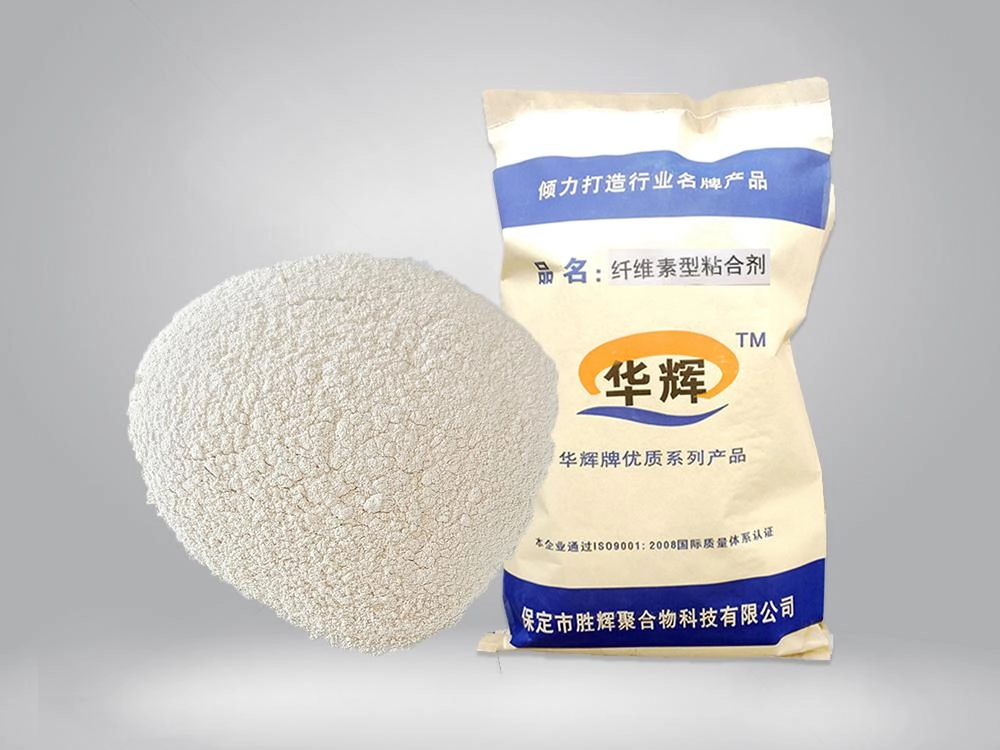
- Carboxymethyl Cellulose (CMC): CMC is a cellulose derivative that acts as a thickening agent and binder, improving the texture and stability of feed pellets.
The primary benefit of using binders in animal feed pellets is the improvement in nutrient retention. By enhancing the physical properties of the pellets, binders help to ensure that essential nutrients remain intact and available for absorption by the animals.
With better nutrient retention, animals can utilize feed more efficiently, leading to improved growth rates and overall performance. This efficiency is particularly important in commercial livestock operations, where maximizing feed conversion ratios can significantly impact profitability.
Binders help to minimize feed waste by preventing the breakdown of pellets during handling and storage. This reduction in waste not only saves costs but also contributes to more sustainable livestock production practices.
By ensuring that animals receive a balanced and nutrient-rich diet, binders can contribute to better overall health and well-being. Healthy animals are less prone to diseases and can achieve optimal growth and reproductive performance.
Choosing the right binder for a specific feed formulation is crucial. Factors such as the type of feed ingredients, the desired pellet characteristics, and the target animal species must be considered when selecting a binder.
While binders can improve nutrient retention and feed efficiency, they also add to the overall cost of feed production. It is essential to balance the benefits of using binders with their associated costs to ensure economic viability.
The use of certain synthetic binders may be subject to regulatory scrutiny, particularly in regions with strict food safety and animal welfare standards. Feed manufacturers must ensure that all ingredients, including binders, comply with relevant regulations.
Research into new binder technologies is ongoing, with a focus on developing more effective and sustainable options. Innovations may include the use of bio-based binders derived from renewable resources, which can enhance both performance and environmental sustainability.
As the livestock industry continues to evolve, there is a growing demand for customized feed formulations tailored to specific animal needs. This trend may lead to the development of specialized binders that cater to the unique requirements of different species and production systems.
Future research may also explore the integration of nutritional enhancers with binders to create multifunctional feed additives. These products could provide both binding properties and additional health benefits, further improving animal performance.
Binders play a vital role in enhancing nutrient retention in animal feed pellets, contributing to improved feed efficiency, reduced waste, and better animal health. As the livestock industry continues to evolve, the development and application of innovative binder technologies will be essential for meeting the growing demand for high-quality animal feed. By understanding the mechanisms by which binders improve nutrient retention, feed manufacturers can make informed decisions that benefit both their operations and the animals they serve.
1. What are the main functions of binders in animal feed?
Binders improve the cohesiveness and stability of feed pellets, enhance moisture retention, and reduce feed waste.
2. What types of binders are commonly used in animal feed?
Common binders include natural options like starches and gums, as well as synthetic options like polyvinyl acetate and carboxymethyl cellulose.
3. How do binders affect animal health?
By improving nutrient retention, binders help ensure that animals receive a balanced diet, contributing to better overall health and performance.
4. Are there any challenges associated with using binders?
Yes, challenges include selecting the appropriate binder, cost implications, and regulatory considerations.
5. What future trends are expected in binder research?
Future trends may include innovations in binder technology, customization for specific animal needs, and integration with nutritional enhancers.
Hot Tags: China, Global, OEM, private label, manufacturers, factory, suppliers, manufacturing company