
Views: 220 Author: shenghuiadhesive Publish Time: 2025-11-03 Origin: Site


Content Menu
● Understanding Pellet Adhesives
● Case Study 1: Automotive Industry
>> Background
>> Results
● Case Study 2: Packaging Industry
>> Background
>> Results
● Case Study 3: Textile Industry
>> Background
>> Results
● Case Study 4: Electronics Industry
>> Background
>> Results
● Case Study 5: Construction Industry
>> Background
>> Results
>> 1. What are the main advantages of using pellet adhesives?
>> 2. In which industries are pellet adhesives commonly used?
>> 3. How do pellet adhesives compare to traditional liquid adhesives?
>> 4. Can pellet adhesives be customized for specific applications?
>> 5. What is the environmental impact of using pellet adhesives?
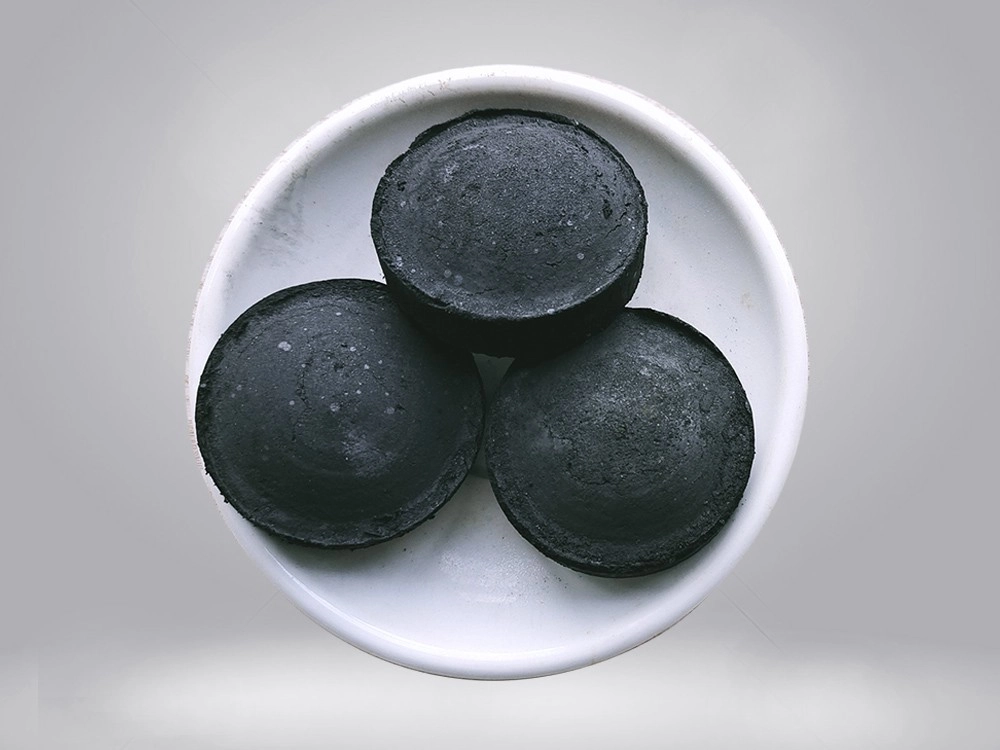
Pellet adhesives have gained significant traction in various industries due to their efficiency, ease of use, and versatility. These adhesives, typically in the form of small pellets, are designed to melt and bond materials together when heated. This article explores several case studies that highlight the successful application of pellet adhesives across different sectors, showcasing their benefits and innovative uses.
Pellet adhesives are solid adhesives that come in small, uniform pellets. They are primarily used in hot melt applications, where they are heated until they melt and can be applied to surfaces for bonding. The advantages of using pellet adhesives include:
- Ease of Handling: Their solid form makes them easy to store and transport.
- Reduced Waste: The precise application reduces excess adhesive use.
- Versatility: They can bond a variety of materials, including plastics, metals, and textiles.
Pellet adhesives can be categorized based on their chemical composition and application methods. Common types include:
- Hot Melt Adhesives: These are thermoplastic adhesives that become tacky when heated.
- Pressure-Sensitive Adhesives: These adhesives bond when pressure is applied, making them ideal for tapes and labels.
- Reactive Adhesives: These adhesives undergo a chemical reaction to cure and bond materials.
In the automotive industry, the need for lightweight and durable materials has led to the increased use of pellet adhesives. A major automotive manufacturer implemented a new bonding process using hot melt adhesive pellets to assemble interior components.
The manufacturer switched from traditional liquid adhesives to hot melt pellets, which were applied using automated dispensing systems. This change allowed for:
- Faster Production Times: The quick melting and application of pellets reduced assembly time.
- Improved Bond Strength: The adhesive provided a stronger bond, enhancing the durability of the components.
The transition resulted in a 20% increase in production efficiency and a significant reduction in adhesive waste. The manufacturer reported lower costs and improved product quality, leading to higher customer satisfaction.
The packaging industry has also seen a shift towards pellet adhesives, particularly in the production of corrugated boxes. A leading packaging company adopted hot melt adhesive pellets to enhance their production line.
The company integrated a new adhesive application system that utilized pellet adhesives. This system allowed for:
- Consistent Application: The pellets melted uniformly, ensuring a consistent bond across all packages.
- Reduced Downtime: The quick changeover between different adhesive types minimized production interruptions.
The packaging company reported a 30% reduction in adhesive costs and a 15% increase in production speed. Additionally, the improved bond quality led to fewer product returns due to packaging failures.
In the textile industry, the use of pellet adhesives has revolutionized the way fabrics are bonded. A textile manufacturer specializing in outdoor gear implemented a new adhesive system using copolyester hot melt pellets.
The manufacturer utilized a high-speed adhesive application system that melted the pellets and applied them to fabric layers. This method provided:
- Enhanced Flexibility: The copolyester adhesive allowed for flexible bonding, essential for outdoor applications.
- Water Resistance: The adhesive's properties ensured that the bonded seams were water-resistant, crucial for outdoor gear.
The textile manufacturer experienced a 25% increase in production efficiency and a significant improvement in product performance. The outdoor gear produced with the new adhesive system received positive feedback for its durability and water resistance.
The electronics industry requires precise and reliable bonding solutions for components. A leading electronics manufacturer adopted hot melt adhesive pellets for encapsulating electronic components.
The manufacturer implemented a new process that involved using hot melt pellets to encapsulate sensitive electronic parts. This approach offered:
- Thermal Stability: The adhesive maintained its properties under varying temperatures, ensuring component reliability.
- Precision Application: The pellet form allowed for accurate dispensing, reducing the risk of excess adhesive.
The electronics manufacturer reported a 40% reduction in production defects and improved product reliability. The use of pellet adhesives also contributed to a more sustainable production process by minimizing waste.
In the construction industry, adhesive bonding is critical for various applications, including flooring and paneling. A construction company implemented a new adhesive system using pellet adhesives for installing flooring materials.
The company switched to using hot melt adhesive pellets for their flooring installations, which provided:
- Quick Setting Time: The pellets melted quickly, allowing for faster installation.
- Strong Bonding: The adhesive provided a robust bond that could withstand heavy foot traffic.
The construction company reported a 50% reduction in installation time and improved customer satisfaction due to the durability of the flooring. The switch to pellet adhesives also led to lower material costs.
The case studies presented demonstrate the versatility and effectiveness of pellet adhesives across various industries. From automotive to construction, these adhesives have proven to enhance production efficiency, reduce costs, and improve product quality. As industries continue to seek innovative solutions, the adoption of pellet adhesives is likely to grow, paving the way for more efficient and sustainable manufacturing practices.

Pellet adhesives offer several advantages, including ease of handling, reduced waste, and versatility in bonding various materials.
Pellet adhesives are commonly used in the automotive, packaging, textile, electronics, and construction industries.
Pellet adhesives provide faster application, reduced waste, and often stronger bonds compared to traditional liquid adhesives.
Yes, many manufacturers offer customizable pellet adhesives to meet specific performance requirements, such as viscosity and melting point.
Pellet adhesives can reduce waste and improve production efficiency, contributing to more sustainable manufacturing practices.
Hot Tags: China, Global, OEM, private label, manufacturers, factory, suppliers, manufacturing company