
Views: 220 Author: shenghuiadhesive Publish Time: 2025-10-31 Origin: Site


Content Menu
● Understanding the Pelletizing Process
● Common Challenges in Pelletizing
>>> Solution: Standardization of Raw Materials
>>> Solution: Implementing Moisture Management Techniques
>>> Solution: Regular Maintenance and Material Selection
>>> Solution: Optimizing Process Parameters
>>> Solution: Energy Efficiency Measures
● Advanced Solutions for Pelletizing Challenges
>> 1. Automation and Control Systems
>> 2. Research and Development
>> 3. Training and Skill Development
The pelletizing process is a crucial step in various industries, particularly in the production of feed, fertilizers, and biofuels. This process involves converting raw materials into pellets, which are easier to handle, transport, and utilize. However, the pelletizing process is not without its challenges. This article explores common challenges faced during pelletizing and offers practical solutions to enhance efficiency and product quality.
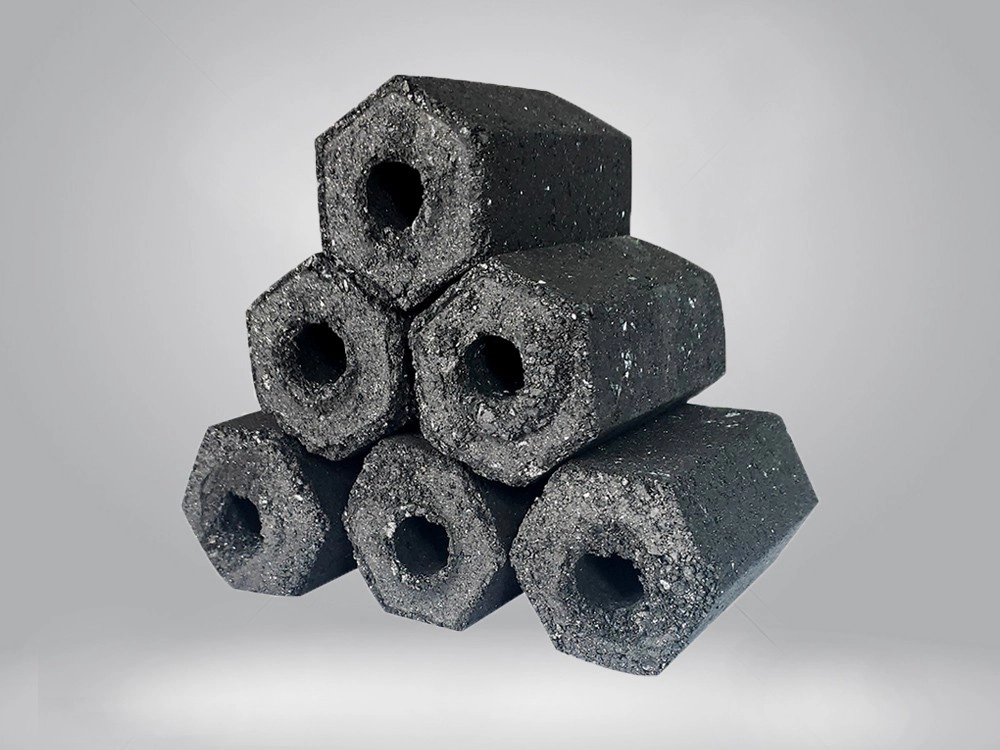
Pelletizing is a process that involves compressing or molding a material into the shape of a pellet. The materials used can vary widely, including biomass, minerals, and agricultural products. The process typically involves several stages, including grinding, mixing, conditioning, and finally, pelletizing.
1. Grinding: Raw materials are ground into a fine powder to increase the surface area for better binding.
2. Mixing: The ground material is mixed with binders and additives to enhance pellet quality.
3. Conditioning: The mixture is heated and moistened to improve the binding properties.
4. Pelletizing: The conditioned mixture is forced through a die to form pellets.
5. Cooling and Drying: The pellets are cooled and dried to achieve the desired moisture content.
Despite its advantages, the pelletizing process can encounter several challenges that may affect the quality of the final product and the efficiency of the operation.
One of the most significant challenges in pelletizing is the variability of raw materials. Different batches of raw materials can have varying moisture content, particle size, and composition, which can lead to inconsistent pellet quality.
To mitigate this issue, it is essential to standardize the raw materials as much as possible. This can be achieved by:
- Conducting Regular Quality Checks: Implementing a robust quality control system to monitor the properties of raw materials before they enter the pelletizing process.
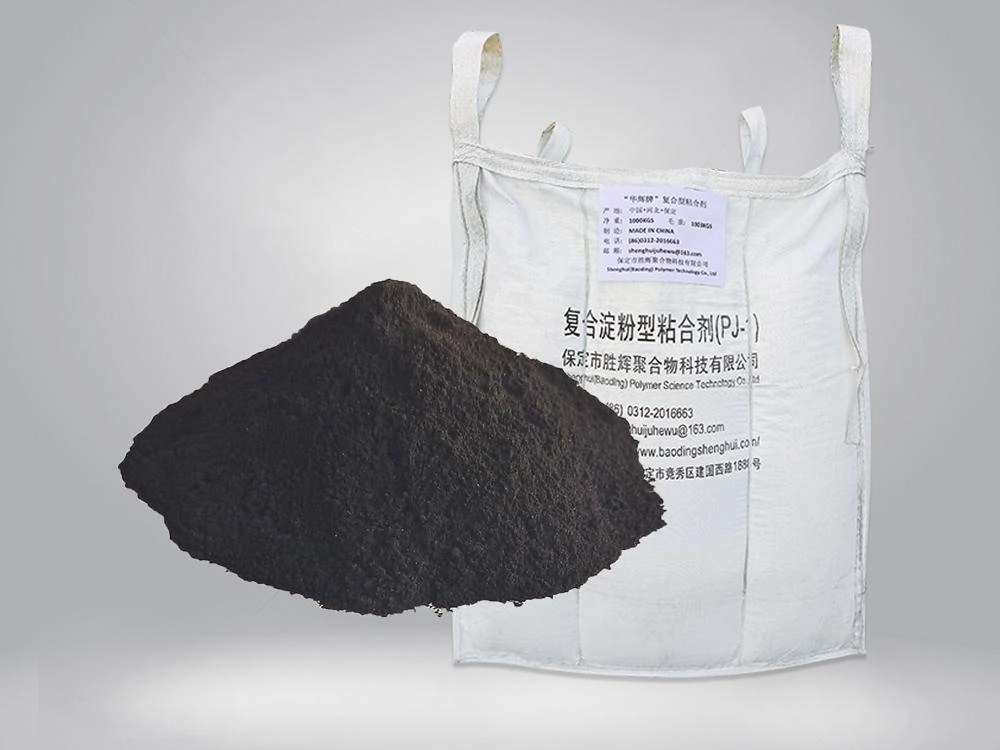
- Using Additives: Incorporating additives that can help bind materials more effectively, regardless of their variability.
Moisture content plays a critical role in the pelletizing process. Too much moisture can lead to poor pellet formation, while too little can result in weak pellets that break easily.
Effective moisture management is crucial for successful pelletizing. Solutions include:
- Using Moisture Sensors: Installing moisture sensors in the feed line to continuously monitor and adjust moisture levels.
- Conditioning: Properly conditioning the material before pelletizing can help achieve the optimal moisture content.
The die and rollers in a pellet mill are subject to significant wear and tear due to the high pressure and friction involved in the pelletizing process. This wear can lead to increased maintenance costs and downtime.
To address die and roller wear, consider the following:
- Regular Maintenance: Establishing a routine maintenance schedule to inspect and replace worn components can help minimize downtime.
- Material Selection: Using high-quality materials for dies and rollers can enhance their durability and reduce wear.
Pellet quality is paramount for ensuring the effectiveness of the final product. Common quality issues include irregular pellet size, low density, and poor durability.
To improve pellet quality, it is essential to optimize various process parameters:
- Adjusting Die Specifications: Experimenting with different die sizes and shapes can help achieve the desired pellet characteristics.
- Controlling Temperature and Pressure: Maintaining optimal temperature and pressure during the pelletizing process can enhance pellet density and durability.
Pelletizing can be an energy-intensive process, leading to high operational costs. Excessive energy consumption can also impact the overall sustainability of the operation.
Implementing energy efficiency measures can help reduce energy consumption:
- Upgrading Equipment: Investing in energy-efficient pellet mills and conditioning equipment can significantly lower energy usage.
- Process Optimization: Analyzing and optimizing the entire pelletizing process can identify areas where energy savings can be achieved.
In addition to the basic solutions outlined above, there are advanced strategies that can further enhance the pelletizing process.
Integrating automation and control systems can significantly improve the efficiency and consistency of the pelletizing process. Automated systems can monitor and adjust parameters in real-time, ensuring optimal conditions are maintained throughout the process.
Investing in research and development can lead to innovative solutions for common pelletizing challenges. This can include developing new binders, additives, or even alternative pelletizing technologies that enhance efficiency and product quality.
Ensuring that operators are well-trained and knowledgeable about the pelletizing process can lead to better decision-making and problem-solving on the production floor. Regular training sessions can help staff stay updated on the latest technologies and best practices.
The pelletizing process is essential for various industries, but it comes with its set of challenges. By understanding these challenges and implementing effective solutions, manufacturers can enhance the efficiency and quality of their pellet production. Continuous improvement through automation, research, and training will further ensure that the pelletizing process remains competitive and sustainable.
1. What is the ideal moisture content for pelletizing?
- The ideal moisture content for pelletizing typically ranges from 12% to 15%, depending on the material being processed.
2. How can I improve pellet durability?
- Improving pellet durability can be achieved by optimizing the conditioning process, adjusting die specifications, and ensuring proper moisture content.
3. What are the signs of die wear in a pellet mill?
- Signs of die wear include irregular pellet size, increased energy consumption, and a decrease in pellet quality.
4. How often should maintenance be performed on pelletizing equipment?
- Maintenance should be performed regularly, with a detailed inspection at least once a month, and more frequently for high-use equipment.
5. What role do additives play in the pelletizing process?
- Additives can enhance binding properties, improve pellet quality, and help manage moisture content during the pelletizing process.
Hot Tags: China, Global, OEM, private label, manufacturers, factory, suppliers, manufacturing company