
Views: 220 Author: shenghuiadhesive Publish Time: 2025-10-30 Origin: Site


Content Menu
>> What Are Natural Adhesives?
>> What Are Synthetic Adhesives?
● Advantages of Natural Adhesives
>> 2. Non-Toxic
>> 5. Good Performance in Specific Applications
● Disadvantages of Natural Adhesives
>> 3. Sensitivity to Environmental Conditions
● Advantages of Synthetic Adhesives
>> 2. Consistency and Reliability
>> 3. Resistance to Environmental Factors
>> 4. Versatility in Applications
● Disadvantages of Synthetic Adhesives
>> 4. Limited Biodegradability
>> 5. Complexity in Application
● Comparing Natural and Synthetic Adhesives
>> 1. What are the main differences between natural and synthetic adhesives?
>> 2. Are natural adhesives safe for food applications?
>> 3. Can synthetic adhesives be used in outdoor applications?
>> 4. How do I choose the right adhesive for my project?
>> 5. Are there any eco-friendly synthetic adhesives available?
Adhesives play a crucial role in various industries, from construction to manufacturing and even in everyday household applications. They are essential for bonding materials together, providing strength and durability to products. This article explores the advantages and disadvantages of natural and synthetic adhesives, helping you understand their applications, benefits, and limitations.
Adhesives are substances used to bond two surfaces together. They can be classified into two main categories: natural adhesives and synthetic adhesives. Natural adhesives are derived from natural sources, while synthetic adhesives are chemically manufactured. Each type has its unique properties, making them suitable for different applications.
Natural adhesives are made from organic materials. Common sources include:
- Starch: Derived from plants, starch-based adhesives are often used in packaging and paper products.
- Casein: A protein found in milk, casein adhesives are used in woodworking and paper applications.
- Natural Rubber: Extracted from rubber trees, this adhesive is used in various applications, including footwear and automotive industries.
- Animal Glues: Made from collagen, these adhesives are used in woodworking and bookbinding.
Synthetic adhesives are produced through chemical processes. They include:
- Epoxy: Known for its strong bonding capabilities, epoxy is used in construction and automotive applications.
- Polyurethane: This versatile adhesive is used in various industries, including furniture and automotive.
- Acrylic: Acrylic adhesives are known for their quick curing times and are often used in construction and automotive applications.
- Silicone: Used for its flexibility and resistance to temperature changes, silicone adhesives are common in construction and electronics.
Natural adhesives offer several benefits, making them appealing for specific applications.
Natural adhesives are biodegradable and derived from renewable resources, making them environmentally friendly. They contribute less to pollution and are safer for the environment compared to synthetic options.
Many natural adhesives are non-toxic, posing fewer health risks during application. This makes them suitable for use in products that come into contact with food or are used in children's toys.
Natural adhesives can be less expensive to produce, especially when sourced locally. This can lead to lower costs for manufacturers and consumers.
Natural adhesives can bond a variety of materials, including wood, paper, and textiles. Their versatility makes them suitable for various applications, from crafts to industrial uses.
In certain applications, such as woodworking, natural adhesives can provide excellent bonding strength and flexibility.
Despite their advantages, natural adhesives also have limitations.
Natural adhesives generally do not provide the same bond strength as synthetic adhesives. This can limit their use in high-stress applications.
Natural adhesives may have a shorter shelf life compared to synthetic options, which can affect their usability over time.
Natural adhesives can be sensitive to moisture and temperature changes, which may affect their performance in certain environments.
Some natural adhesives may not be as widely available as synthetic options, making sourcing a challenge for manufacturers.
The quality of natural adhesives can vary based on the source and production methods, leading to inconsistent performance.
Synthetic adhesives have become popular due to their numerous advantages.
Synthetic adhesives typically offer superior bond strength, making them suitable for demanding applications in construction, automotive, and aerospace industries.
Manufactured under controlled conditions, synthetic adhesives provide consistent performance and reliability, reducing variability in quality.
Many synthetic adhesives are designed to withstand extreme temperatures, moisture, and chemicals, making them ideal for use in harsh environments.
Synthetic adhesives can be formulated for specific applications, allowing for a wide range of uses, from bonding metals to plastics and composites.
Synthetic adhesives often have a longer shelf life, making them more convenient for manufacturers and consumers.
While synthetic adhesives offer many benefits, they also come with drawbacks.
Many synthetic adhesives contain volatile organic compounds (VOCs) that can contribute to air pollution and pose health risks. Their production and disposal can also have negative environmental impacts.
Synthetic adhesives can be more expensive to produce than natural adhesives, which may affect their affordability for some applications.
Some synthetic adhesives may contain harmful chemicals that can pose health risks during application and use.
Unlike natural adhesives, many synthetic adhesives are not biodegradable, leading to environmental concerns regarding waste disposal.
Certain synthetic adhesives may require specific conditions for application, such as precise temperature and humidity levels, which can complicate their use.
When choosing between natural and synthetic adhesives, it is essential to consider the specific requirements of the application. Below is a comparison of key factors:
| Factor | Natural Adhesives | Synthetic Adhesives |
|---|---|---|
| Bond Strength | Generally weaker | High bond strength |
| Environmental Impact | Eco-friendly and biodegradable | May contain VOCs and be non-biodegradable |
| Cost | Often lower | Can be higher |
| Shelf Life | Shorter | Longer |
| Versatility | Good for specific applications | Highly versatile |
| Toxicity | Non-toxic | Potentially toxic |
Both natural and synthetic adhesives have their unique advantages and disadvantages. Natural adhesives are eco-friendly and non-toxic, making them suitable for specific applications, while synthetic adhesives offer superior bond strength and reliability. The choice between the two depends on the specific needs of the project, including environmental considerations, cost, and performance requirements.
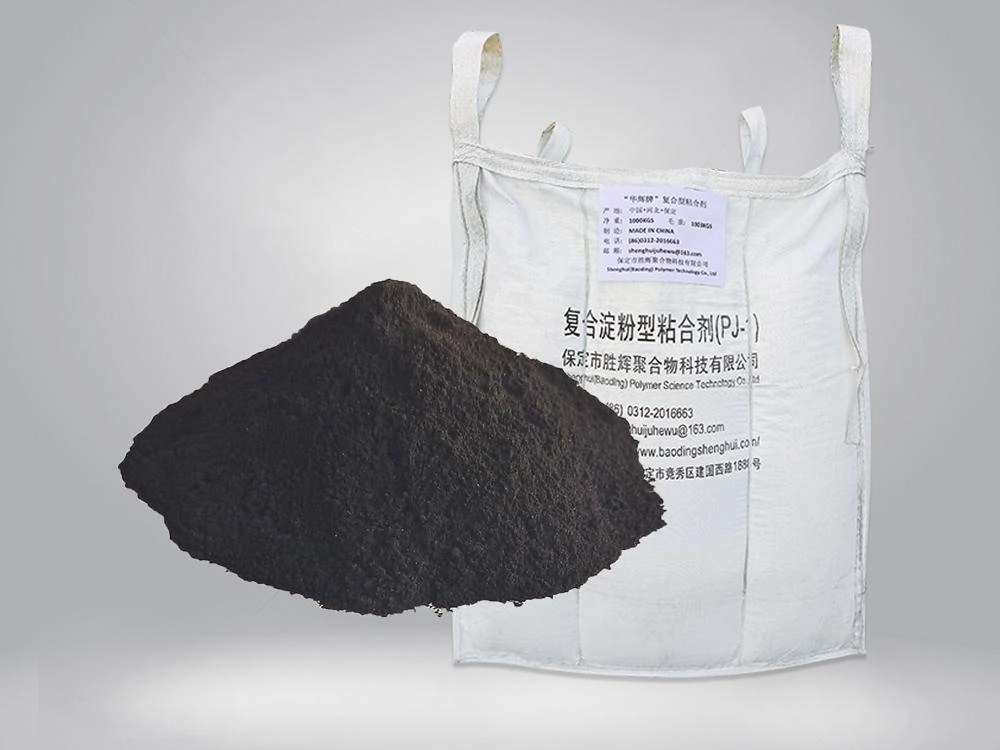
Natural adhesives are derived from organic materials and are often biodegradable, while synthetic adhesives are chemically manufactured and typically offer higher bond strength and consistency.
Yes, many natural adhesives are non-toxic and safe for use in food applications, making them suitable for packaging and food-related products.
Yes, many synthetic adhesives are designed to withstand environmental factors such as moisture and temperature changes, making them suitable for outdoor use.
Consider factors such as the materials being bonded, the environmental conditions, the required bond strength, and any health or safety concerns when selecting an adhesive.
Yes, some manufacturers are developing eco-friendly synthetic adhesives that minimize environmental impact by reducing VOC emissions and using sustainable materials.
Hot Tags: China, Global, OEM, private label, manufacturers, factory, suppliers, manufacturing company